

Are Synthetic Fragrances in Pet Products Dangerous?
Last Updated: November 19, 2026
Quick Summary
Synthetic fragrances are lab-made scent mixtures found in most pet shampoos, bedding sprays and air fresheners, and research suggests some of their chemicals can disturb the endocrine, immune and nervous systems. Phthalates used to make scents last longer have shown endocrine-disrupting effects in experimental research. For most homes, choosing fragrance-free products is the safest option.
- Manufacturers often list only "fragrance" rather than each compound, so the ingredient is hard to identify.
- Research suggests some synthetic fragrance chemicals may disturb endocrine, immune and nervous systems.
- Phthalates have shown endocrine-disrupting effects in experimental research.
- Veterinary observations describe sneezing, watery eyes and skin irritation after exposure to scented bedding and sprays.
- Prefer products labelled "unscented" or "fragrance-free" and read the full ingredient list.
Table of Contents
- What Synthetic Fragrances Are and Where They Show Up in Pet Products
- What Scents Are Safe for Dogs and Which Common Chemicals to Avoid
- How to Read Pet Product Labels and Spot Synthetic Ingredients
- Frequently Asked Questions
What Synthetic Fragrances Are and Where They Show Up in Pet Products
Synthetic fragrances are lab-made scent mixtures, and most pet shampoos, bedding sprays and air fresheners rely on them. Because manufacturers rarely list each compound, the label often says only "fragrance." Shoppers looking for a fragrance-free pee pad option for dogs can compare unscented choices in the same category. Research suggests some of these chemicals can disturb the endocrine, immune and nervous systems (PMC review of synthetic fragrances in personal care and household products).
Phthalates, often used to make scent last longer, have shown endocrine-disrupting effects in experimental research (Analysis of artificial fragrance impact on canine health). Veterinary observations also describe sneezing, watery eyes and skin irritation after pets are exposed to scented bedding and sprays (Malinois and Dutch Shepherd Rescue Inc. resource on household scents).
The article's main concerns about synthetic fragrances in pet products are summarised below.
| Concern | Source of concern | What the article says |
|---|---|---|
| Endocrine, immune and nervous system effects | Synthetic fragrance mixtures | Research suggests some chemicals may disturb these systems |
| Endocrine-disrupting effects | Phthalates | Shown in experimental research |
| Sneezing, watery eyes, skin irritation | Scented bedding and sprays | Described in veterinary observations |
| Where scents appear | Shampoos, bedding sprays, air fresheners | Most rely on synthetic fragrances |
What Scents Are Safe for Dogs and Which Common Chemicals to Avoid
The safest choice for most homes is a fragrance-free product. A guide to cleaning dog travel gear without the smell shows how to freshen gear without relying on scented products. Our Puppy Pads, Max Absorbency Pee Pads for Dogs, Fragrance-Free and Unscented are unscented, which suits indoor dog potty areas.

How to Read Pet Product Labels and Spot Synthetic Ingredients
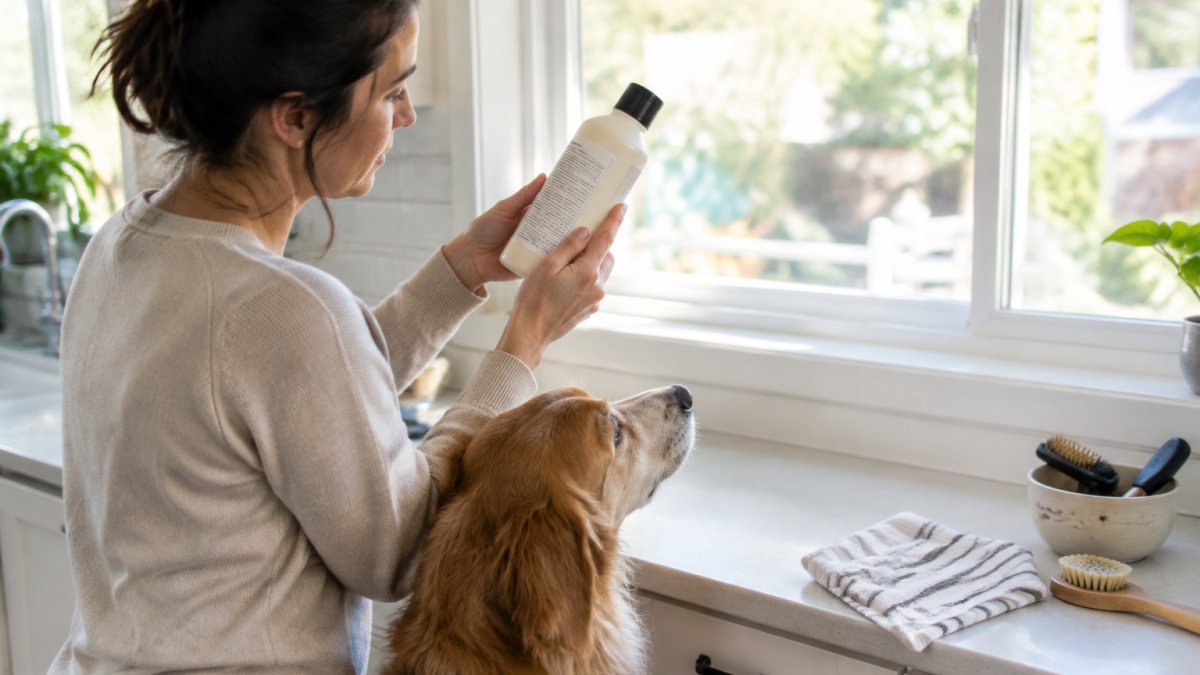
Look past the front of the bottle and read the full ingredient list. The word "fragrance" alone tells you little, so prefer products that state "unscented" or "fragrance-free." Pick the option that fits your dog's routine, and check our wellness and supplements range for cleaner alternatives.
Frequently Asked Questions
Is synthetic fragrance harmful to dogs?
Research reviews have examined fragrance chemicals in relation to airway and skin irritation, and some individual ingredients, such as phthalates, have shown endocrine-disrupting effects in experimental studies. Dogs can also be exposed through inhalation, skin contact and licking. Because most fragrance blends do not list every ingredient, the safest approach is to choose unscented or fragrance-free products and ventilate rooms where scented items are used.
Is Febreze toxic to dogs?
Air fresheners and scented sprays can irritate a dog's airways and eyes, and sensitive animals may sneeze, cough or develop watery eyes after exposure. Ingestion of spray or liquid is more serious and should prompt a call to a veterinarian or the ASPCA Animal Poison Control Center right away. Keep any scented product out of reach and use it only in well-ventilated rooms your dog can leave.
What should I do if my dog shows symptoms after exposure to a scented product?
Move your dog to fresh air, remove any residue from the coat or paws, and watch closely for coughing, drooling, vomiting, lethargy or skin redness. Contact your veterinarian or an animal poison control center right away. Bring the product label with you so the vet can review the listed ingredients.