
7 Steps to Clean Dog Travel Gear Without the Smell
Last Updated: November 15, 2026
Quick Summary
Clean dog travel gear by matching the method to each material: machine-wash fabric covers on a gentle cycle with mild detergent, wipe mesh and coated fabrics with a damp soapy sponge, and wash plastic and metal with warm soapy water. Always read the care label first, rinse all soap residue, and air dry completely before your dog uses the item again.
- Mix one part white vinegar with three parts water to kill odor on fabric and hard surfaces.
- Wash a dog harness every two weeks, or right after heavy outdoor use.
- Never put a harness or leash in the dryer because heat warps buckles and shrinks webbing.
- Remove plastic crate doors and trays first so you can reach seams where hair collects.
- Let wet mesh dry flat, since hanging stretches it under its own weight.
Table of Contents
- What You Need to Clean Dog Travel Gear
- Step-by-Step: How to Clean Dog Travel Gear by Material
- How to Clean Dog Travel Gear Mesh Without Tearing It
- How to Clean a Soft-Sided Pet Carrier Safely
- How Often to Wash a Dog Harness, Collar, and Leash
- How to Clean Dog Travel Gear With Vinegar
- Frequently Asked Questions
What You Need to Clean Dog Travel Gear
Cleaning dog travel gear is the process of removing dirt, hair, odor, and bacteria from carriers, crates, harnesses, bowls, and car covers so your dog stays healthy on every trip. A simple kit and a steady routine work better than fancy products.
Before you start, gather these supplies:
- Mild pet-safe soap or detergent
- White vinegar
- Warm water and clean water for rinsing
- Soft sponge and a small brush
- Unscented pet wipes
- Clean towels
- A basin or tub
A common mistake is reaching for harsh household cleaners. Dogs lick their gear. Stick with gentle soap and vinegar instead.
Step-by-Step: How to Clean Dog Travel Gear by Material
The best way to clean dog travel gear depends on the material. Fabric, mesh, plastic, and metal each need a different touch, and the care label on the item overrides any general advice below. Read it first, then follow the matching method.
Read the Care Label Before Anything Else
Most soft-sided carriers, car seat covers, and bed covers carry a sewn-in tag with wash symbols. Treat those symbols as the final word: if the label says hand wash or spot clean only, do not machine wash, even on gentle. If the label is missing or unreadable, default to the gentlest method for that material and test a hidden seam first. A common pattern is that coated fabrics and waterproof laminates lose their finish after repeated hot washes, so when in doubt, wash cooler and air dry.
Fabric, Mesh, Plastic, and Metal
Fabric items like bed covers, car seat covers, and soft carriers often have removable covers. Unzip and remove covers, brush or vacuum loose hair, then close all zippers and fasten buckles or hook-and-loop straps before washing so hardware does not snag the fabric.
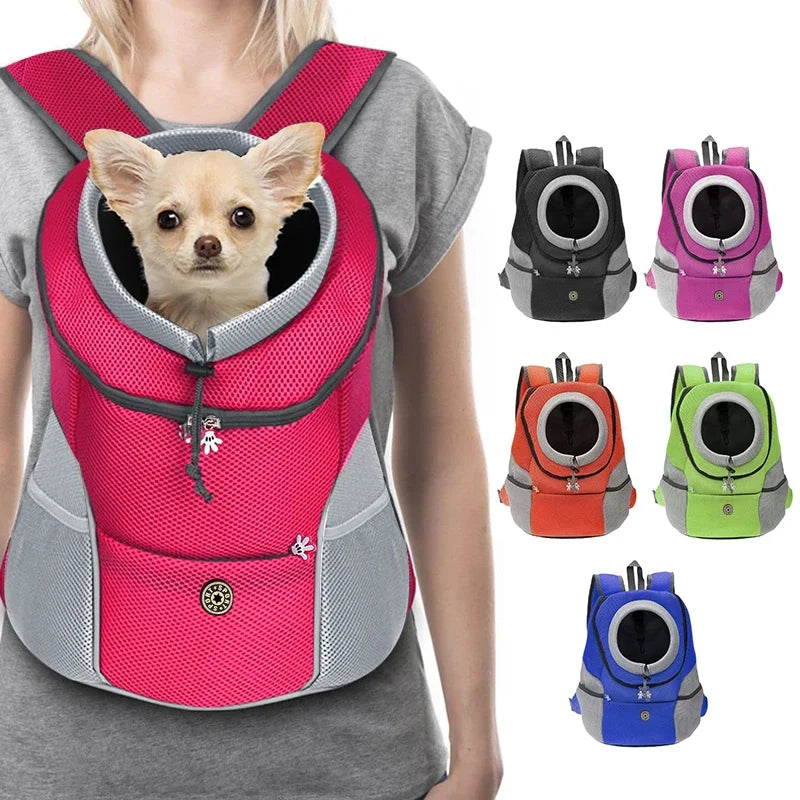
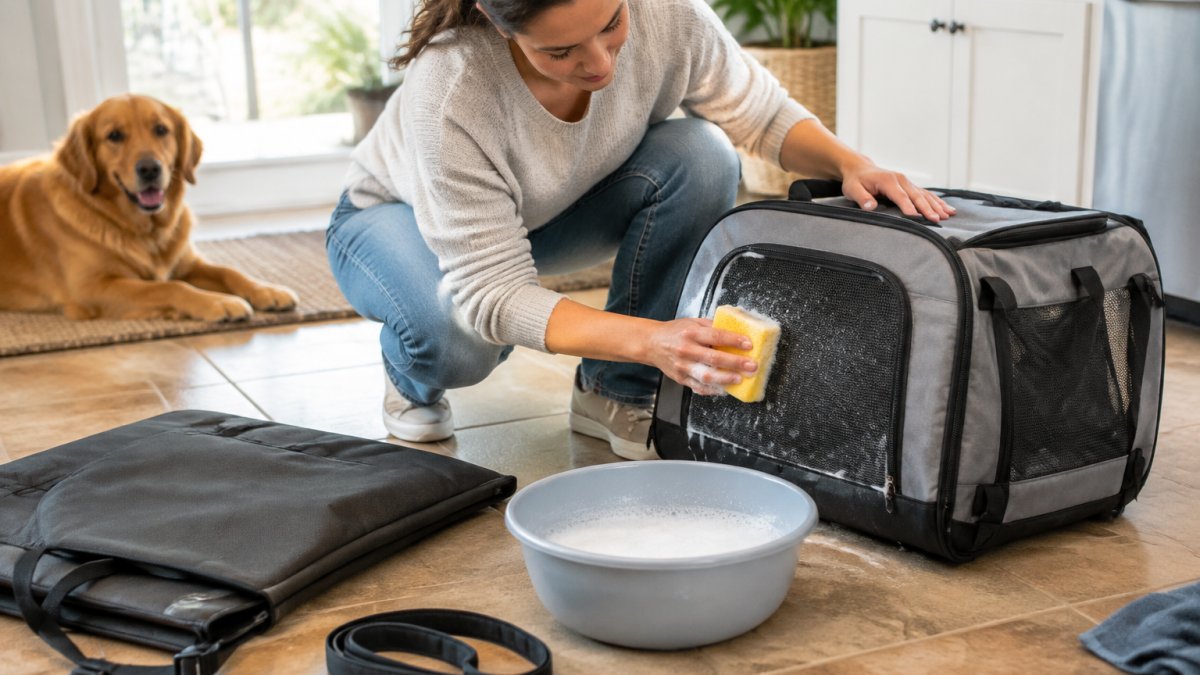
Mesh panels need gentle care. Wipe with a damp sponge and soapy water, working from the center outward. Never scrub hard or pull the mesh, since it tears easily. Rinse with a clean damp cloth and blot dry. Let mesh dry flat rather than hanging, because wet mesh stretches under its own weight.
Plastic crates and bowls are simple. Wash with warm soapy water, scrub corners and the lip with a small brush, then rinse well and dry. For plastic crates, remove the door and any tray first so you can reach the seams where hair and food debris collect.
Metal frames and clips just need a wipe down with a damp cloth and mild soap. Dry them immediately to prevent rust, and avoid abrasive pads that scratch painted or powder-coated finishes. A light wipe of the hinges and latches after each trip keeps them working smoothly.
Coated and waterproof fabrics deserve their own note. Wipe with a damp cloth and mild soap rather than submerging, rinse with a clean damp cloth, and air dry away from direct heat. Heat and harsh detergents are what usually strip waterproofing, not water alone.
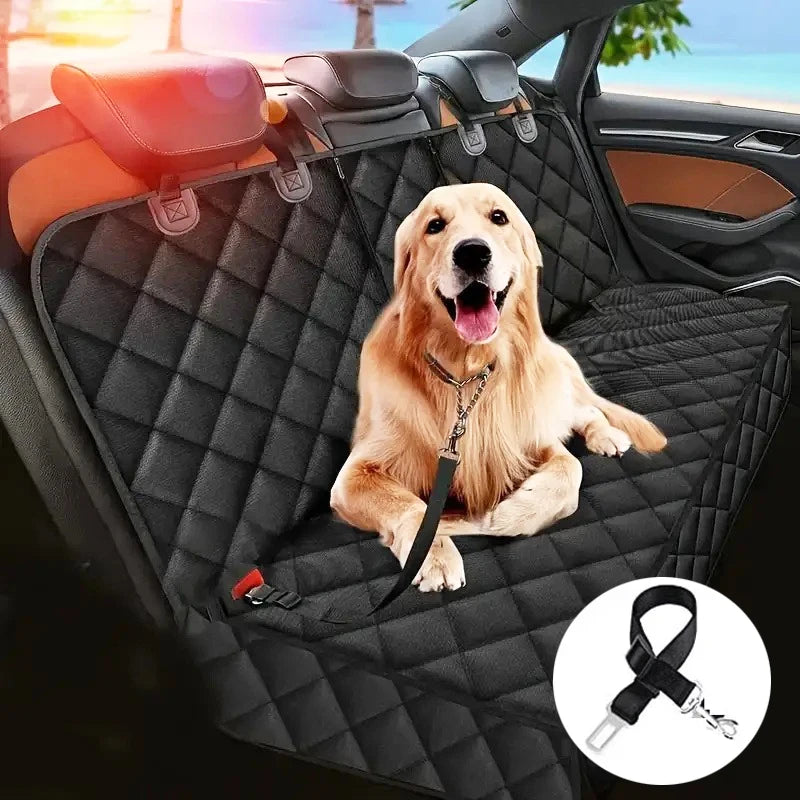
Our waterproof nonslip dog car seat cover is a practical pick for muddy trips.
| Material | Cleaning Method | Drying |
|---|---|---|
| Fabric | Machine wash gentle, cold or lukewarm, mild detergent | Air dry fully; low heat only if label allows |
| Mesh | Damp sponge, light pressure, no stiff brush | Blot, then dry flat |
| Plastic | Warm soapy water, small brush in seams | Towel dry, including hinges |
| Metal | Damp cloth and mild soap, no abrasives | Dry immediately to prevent rust |
| Coated or waterproof fabric | Wipe and rinse, do not submerge | Air dry away from direct heat |
Watch out: hot water or high heat can damage coated or waterproof finishes over time.
How to Clean Dog Travel Gear Mesh Without Tearing It
To clean mesh without tearing it, use a soft sponge, mild soapy water, and light pressure. Skip stiff brushes entirely. Mesh is the most fragile part of any carrier, and rough handling shortens its life fast.
Follow these steps:
- Shake out loose hair and dirt.
- Wipe with a damp sponge and a little soap.
- Rinse with a clean damp cloth.
- Blot dry with a towel, then air dry.
Watch out: pulling mesh tight while wet stretches it out of shape. Let it dry flat.
How to Clean a Soft-Sided Pet Carrier Safely
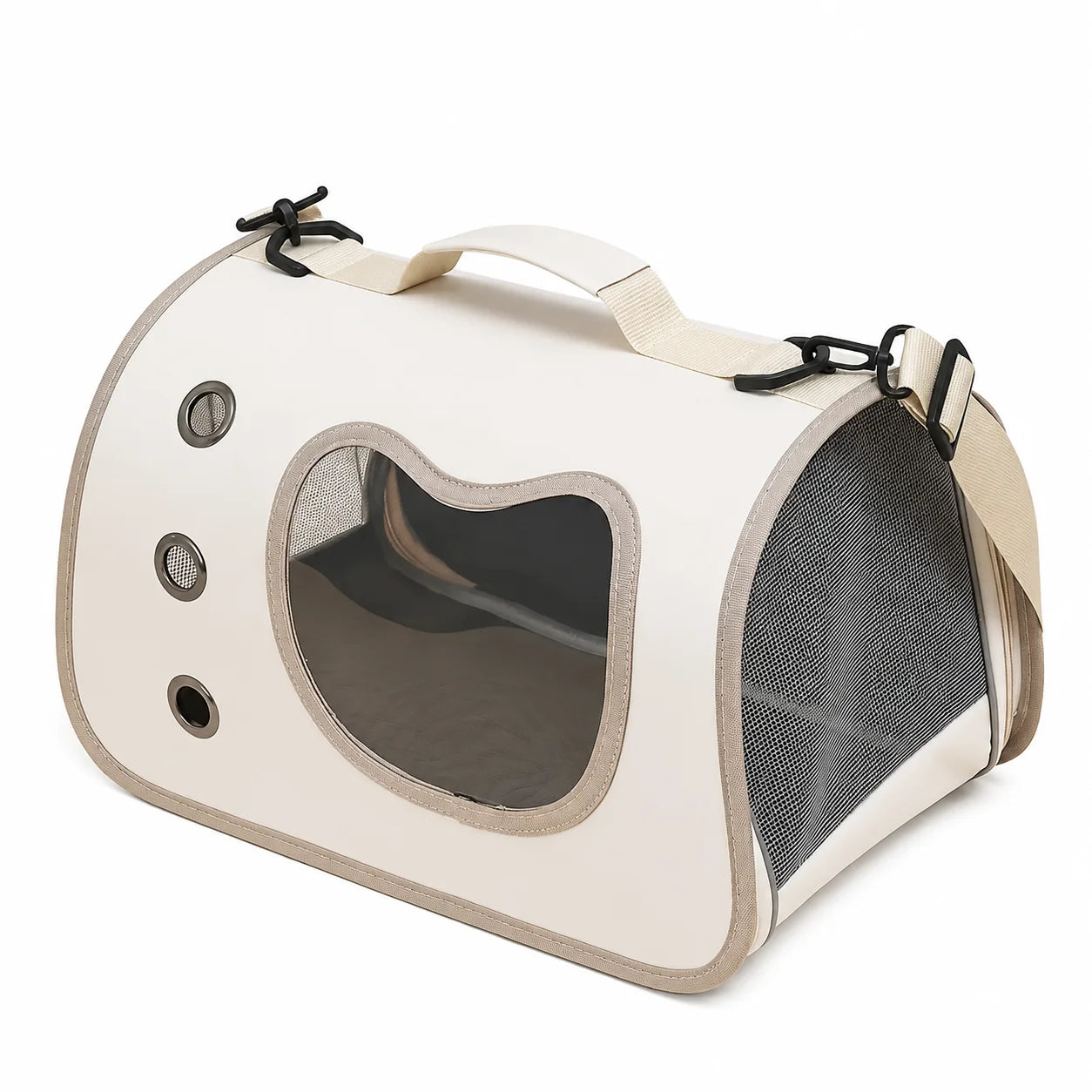
Cleaning a soft-sided pet carrier safely means checking the care label, removing any rigid base or frame, and washing the fabric cover gently. These carriers hold odor and hair more than hard crates, so they need regular attention.
Here is our routine:
- Vacuum or brush out loose hair.
- Remove the base board and wipe it separately.
- Hand wash or machine wash the cover on gentle.
- Rinse away all soap residue.
- Air dry completely before your dog goes back in.
If you're replacing an old carrier, our guide to airline approved dog carriers helps you choose one that fits under the seat. Our breathable foldable pet carrier also has a removable base that makes cleaning simpler.
How Often to Wash a Dog Harness, Collar, and Leash
Wash a dog harness, collar, and leash every two to four weeks, or right after any muddy hike or swim. These items touch your dog's skin all day, so they collect sweat, dirt, and odor quickly, and a dirty collar sitting against the neck is a common source of irritation.
A quick schedule that works for most dogs:
- Harness: every two weeks, or after heavy outdoor use
- Collar and ID tags: wipe weekly, deep clean monthly
- Leash: wipe monthly, wash after rain or mud
How to Wash a Harness, Collar, and Leash
- Remove ID tags, and detach the leash from the collar or harness.
- Brush or vacuum off loose hair and dried mud before wetting anything; wet hair mats into the webbing and is much harder to remove.
- Close all buckles and fasten hook-and-loop straps so the hardware does not snag the webbing in the wash.
- Hand wash in a basin of lukewarm water with mild detergent, working soap into the webbing with a soft brush. For nylon webbing, a soft toothbrush reaches the stitching and edges where odor lingers.
- Rinse until the water runs clear. Soap residue left in webbing attracts dirt and can irritate skin.
- Squeeze out excess water, blot with a towel, and air dry completely before use.
Machine-Washing and Hardware Care
Many nylon harnesses and leashes can go in the washing machine, but only if the care label allows it. Put the item in a mesh laundry bag or a pillowcase and wash on a gentle cycle in cold water with mild detergent. Never put a harness or leash in the dryer: heat warps plastic buckles, shrinks webbing, and can melt reflective trim.
Metal hardware such as D-rings, snaps, and buckles should be wiped dry right after washing to prevent rust, and a drop of light lubricant on moving parts keeps them working. Leather collars and leashes should never be machine-washed; wipe them with a damp cloth, use a leather cleaner if needed, and condition after drying.
For travel days, pack unscented wipes for quick wipe-downs between washes, and keep a spare collar and leash in the car so a wet set can dry fully before the next walk.
Watch out: drying a harness or leash on a radiator, in a hot car, or in the dryer can warp buckles and shrink webbing, and the fit may never be the same.
How to Clean Dog Travel Gear With Vinegar
Cleaning dog travel gear with vinegar is one of the simplest ways to kill odor. Mix one part white vinegar with three parts water in a spray bottle. Mist fabric and hard surfaces, then wipe or rinse clean.
Diluted vinegar can help with odor on many surfaces. A few tips:
- Test a small spot first on dyed fabric.
- Never mix vinegar with bleach.
- Rinse food and water bowls well after use.
For deeper messes, soak fabric in warm water with a splash of vinegar for a short time, then wash as usual.
Travel gear takes a beating, and keeping it clean protects your dog trip after trip. Pawfect Supplies makes that easier with USA-made essentials built to last, from washable car seat covers to foldable carriers. Every order over $50 ships free, so stocking up on care basics is simple. Get started with Pawfect Supplies and give your dog fresher, healthier travels.
Frequently Asked Questions
Is vinegar safe for cleaning dog travel gear?
Yes, diluted white vinegar is safe for most dog travel gear when used correctly. Mix one part white vinegar with one part water in a spray bottle and use it on hard surfaces, plastic bowls, and metal hardware. Avoid soaking mesh or coated fabrics in straight vinegar, since the acid can weaken fibers over time. Always rinse with clean water and dry thoroughly, and never mix vinegar with bleach because the combination releases harmful fumes.
Can you wash a soft-sided pet carrier in a washing machine?
Only if the care label says machine washable. Most soft-sided carriers have rigid frames, zippers, and padding that can warp or tear in a machine. Hand wash with warm water and mild detergent, scrub the mesh with a soft brush, and rinse until the water runs clear. If the cover is removable and labeled machine safe, use a gentle cycle in cold water, then air dry completely before your dog goes back in.
How do you disinfect a pet carrier after an accident?
Remove solid waste first, then blot the area with paper towels. Wash the surface with warm soapy water, rinse, and apply a pet-safe disinfectant or a diluted vinegar solution. Let it sit for the contact time on the label, then rinse again. Dry the carrier fully in the sun or with airflow before reuse. For fabric covers, machine wash on the hottest setting the care label allows and check for lingering odor before your next trip.
How often should you wash your dog's harness?
Wash a dog harness every two to four weeks for most dogs, and weekly for dogs that swim, hike, or roll in dirt. A harness worn daily against the skin traps sweat, hair, and oils, which leads to odor and skin irritation. Spot clean between washes with a damp cloth. If your dog has allergies or sensitive skin, use an unscented, pet-safe detergent and rinse thoroughly to remove residue.